
7th Edition of
Chemistry World Conference
June 21-23, 2027 | Rome, Italy

Metallocycles And Metallocages
Metallocycles And Metallocages Are Two Types Of Supramolecular Structures Composed Of Organic And Inorganic Components. A Metallocycle Is An Organometallic Molecule With An Uninterrupted Ring-Like Structure Where The Metal Atoms Are Bonded To The Other Atoms In The Ring In An Alternating Cyclic Fashion. The Most Common Metallocycles Are Made Of Transition Metals, Lanthanides, Or Actinides, Though Other Elements Such As Silicon, Phosphorus, And Arsenic Have Also Been Used. Metallocages Are Similar To Metallocycles, But Are Composed Of A Larger And More Complex Polyhedral Structure Made Up Of Several Metal Atoms. These Cages Often Contain Small Organic Molecules In Their Interior, And They Can Be Used For A Variety Of Purposes Such As The Encapsulation Of Micro-Organisms For Studying Their Behavior Or As A Drug Delivery Vehicle. Metallocycles Are Of Interest To Materials Scientists For Their Unique Physical Properties, Such As Their Stability, Electrical Conductivity, And Magnetic Permeability, Which Make Them Useful As Catalysts, Fuel Cells, And Easily-Shaped Electrodes. Their Shape And Structure Also Allow Them To Bind Tightly To Other Molecules. Metallocages Have Similarly Been Studied For Their Potential Uses In Various Industrial And Medical Applications. For Example, They Have Demonstrated Good Drug-Free Encapsulatory Capacity And The Ability To Effectively Transport Hydrophilic Species, Leading To Potential Uses Such As Drug Delivery And Treatment Of Diseases. In Recent Years, Researchers Have Sought To Increase The Range Of Metallocycles And Metallocages Available For Various Applications By Synthesizing Them From Complex Precursors Or Building Intricate Mixtures. This Has Enabled The Design Of Compounds And Structures With Optimized Structural Integrity, Enhanced Optical Properties, And Improved Reactivity. These And Other Improvements Offer Scientists The Opportunity To Develop The Next Generation Of Metallocycles And Metallocages For A Range Of Important Applications.

Brian Blagg
University of Notre Dame, United States
Yong Xiao Wang
Albany Medical College, United States
Thomas J Webster
Brown University, United States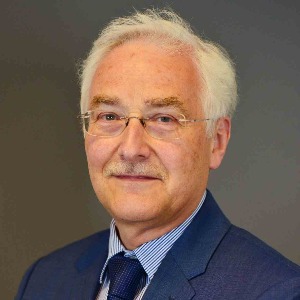
Klaus Radunsky
National Standardization International, Austria
Siegmund Reissmann
Friedrich Schiller University, Germany
Alessia Corami
Aix-Marseille University, Italy
Guy Patchronik
Ariel University, IsraelSubmit your abstract Today


Title : Fighting antibiotic resistance: Eliminating implant infections in humans without antibiotics
Thomas J Webster, Brown University, United States
Title : Novel polymer-mediated therapeutic options for chronic obstructive pulmonary disease
Yong Xiao Wang, Albany Medical College, United States
Title : Turning problems into opportunities via small molecule design
Brian Blagg, University of Notre Dame, United States
Title : Durable surface-confined metal-terpyridine architectures for electrochromic applications
Olena Zenkina, Ontario Tech University, Canada
Title : Advances in plasma-based waste treatment
Hossam A Gabbar, Ontario Tech University, Canada
Title : Application of the Michaelis-Menten formalism to hydrocracking-related reactions and analysis of the features of the reactors
Orchidea Maria Lecian, Sapienza University of Rome, Italy