
7th Edition of
Chemistry World Conference
June 21-23, 2027 | Rome, Italy

Photocatalysis
Photocatalysis is an innovative process that utilizes light energy to drive chemical reactions on the surface of a catalyst. By absorbing photons from light sources such as sunlight, photocatalysts can generate electron-hole pairs, initiating redox reactions that transform reactants into products. This phenomenon holds immense potential for applications in environmental remediation, energy conversion, and organic synthesis. One of the most well-known examples is the photocatalytic degradation of pollutants in water and air, where semiconductor photocatalysts such as titanium dioxide (TiO2) are used to break down organic contaminants into harmless byproducts under UV irradiation. Additionally, photocatalysis plays a crucial role in solar energy conversion technologies, including photocatalytic water splitting for hydrogen production and photovoltaic cells for electricity generation. With ongoing research and development, photocatalysis continues to emerge as a promising strategy for sustainable chemistry and clean energy production, paving the way towards a greener and more efficient future.

Brian Blagg
University of Notre Dame, United States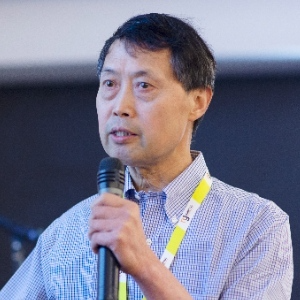
Yong Xiao Wang
Albany Medical College, United States
Thomas J Webster
Brown University, United States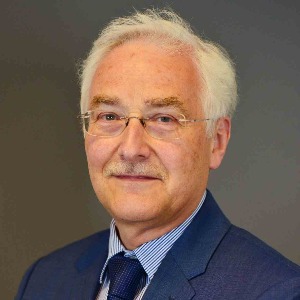
Klaus Radunsky
National Standardization International, Austria
Siegmund Reissmann
Friedrich Schiller University, Germany
Alessia Corami
Aix-Marseille University, Italy
Guy Patchronik
Ariel University, IsraelSubmit your abstract Today


Title : Fighting antibiotic resistance: Eliminating implant infections in humans without antibiotics
Thomas J Webster, Brown University, United States
Title : Novel polymer-mediated therapeutic options for chronic obstructive pulmonary disease
Yong Xiao Wang, Albany Medical College, United States
Title : Turning problems into opportunities via small molecule design
Brian Blagg, University of Notre Dame, United States
Title : Durable surface-confined metal-terpyridine architectures for electrochromic applications
Olena Zenkina, Ontario Tech University, Canada
Title : Advances in plasma-based waste treatment
Hossam A Gabbar, Ontario Tech University, Canada
Title : Application of the Michaelis-Menten formalism to hydrocracking-related reactions and analysis of the features of the reactors
Orchidea Maria Lecian, Sapienza University of Rome, Italy