7th Edition of
Chemistry World Conference
June 21-23, 2027 | Rome, Italy
Pharmaceutical Toxicology
Pharmaceutical toxicology is a multifaceted field dedicated to understanding the effects of pharmaceutical substances on living organisms, particularly humans. It encompasses a broad range of disciplines, including pharmacology, toxicology, chemistry, and biology, to evaluate the safety and efficacy of pharmaceutical products. At its core, pharmaceutical toxicology seeks to identify, assess, and mitigate the potential risks associated with the use of drugs and other medicinal compounds.
Central to the study of pharmaceutical toxicology is the recognition that all substances have the potential to cause harm if not used appropriately. Therefore, researchers in this field meticulously examine the pharmacokinetics and pharmacodynamics of drugs to determine their absorption, distribution, metabolism, and excretion within the body. By understanding how drugs interact with biological systems, toxicologists can predict potential adverse effects and establish safe dosage levels.
One of the primary goals of pharmaceutical toxicology is to ensure the safety of medications throughout their lifecycle, from initial development to post-market surveillance. During the preclinical phase, toxicologists conduct extensive laboratory experiments and animal studies to assess the toxicity profile of a new drug candidate. These studies help identify potential risks and inform subsequent clinical trials.
Clinical trials represent a critical stage in pharmaceutical toxicology, where drugs are tested in human subjects to evaluate their safety and efficacy. Toxicologists closely monitor participants for adverse reactions and side effects, providing valuable data on the drug's tolerability and potential toxicity. This phase also allows researchers to refine dosing regimens and identify any unforeseen risks before widespread use.
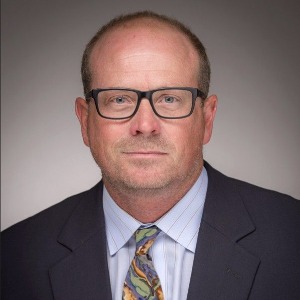
Brian Blagg
University of Notre Dame, United States
Yong Xiao Wang
Albany Medical College, United States
Thomas J Webster
Brown University, United States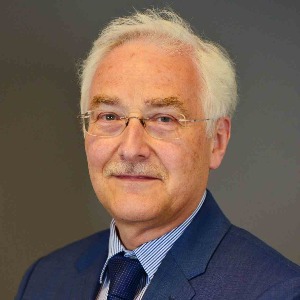
Klaus Radunsky
National Standardization International, Austria
Siegmund Reissmann
Friedrich Schiller University, Germany
Alessia Corami
Aix-Marseille University, Italy
Guy Patchronik
Ariel University, IsraelSubmit your abstract Today


Title : Fighting antibiotic resistance: Eliminating implant infections in humans without antibiotics
Thomas J Webster, Brown University, United States
Title : Novel polymer-mediated therapeutic options for chronic obstructive pulmonary disease
Yong Xiao Wang, Albany Medical College, United States
Title : Turning problems into opportunities via small molecule design
Brian Blagg, University of Notre Dame, United States
Title : Durable surface-confined metal-terpyridine architectures for electrochromic applications
Olena Zenkina, Ontario Tech University, Canada
Title : Advances in plasma-based waste treatment
Hossam A Gabbar, Ontario Tech University, Canada
Title : Application of the Michaelis-Menten formalism to hydrocracking-related reactions and analysis of the features of the reactors
Orchidea Maria Lecian, Sapienza University of Rome, Italy