
7th Edition of
Chemistry World Conference
June 21-23, 2027 | Rome, Italy
Biochemistry
The study of chemical processes within and pertaining to live beings is known as biochemistry or biological chemistry. Biochemistry is categorized into three fields: structural biology, enzymology, and metabolism. It is a sub-discipline of both chemistry and biology. Biochemistry has proven successful at understanding life processes through these three disciplines in the later decades of the twentieth century. Biochemical methods and study are being used to explore and develop almost every aspect of the biological sciences. Biochemistry focuses on understanding the chemical base that allows biological molecules to give rise to the activities that occur within live cells and between cells, which has a lot to do with the form and function of tissues and organs. Biochemistry is intimately linked to molecular biology, which is the study of biological phenomena' molecular mechanisms.
- Applied Biochemistry
- Biochemical Analyses
- Biological Chemistry
- Chemical Biology
- Chemical Composition of Living Matter
- Clinical Biochemistry
- Medical Biochemistry
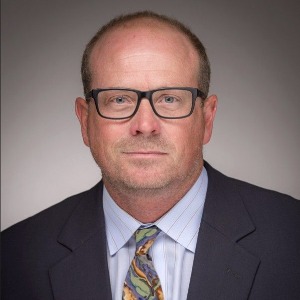
Brian Blagg
University of Notre Dame, United States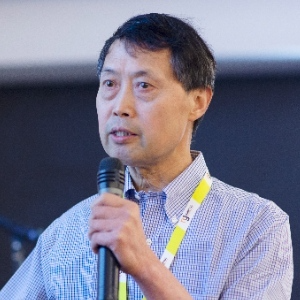
Yong Xiao Wang
Albany Medical College, United States
Thomas J Webster
Brown University, United States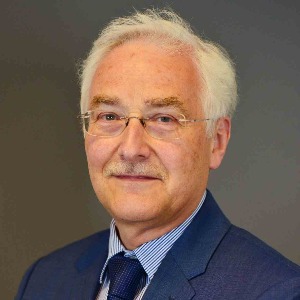
Klaus Radunsky
National Standardization International, Austria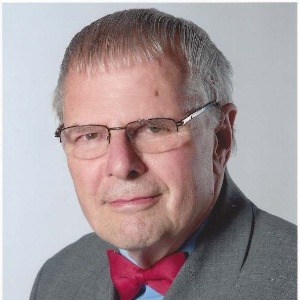
Siegmund Reissmann
Friedrich Schiller University, Germany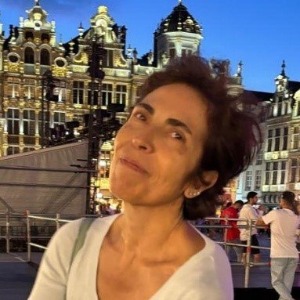
Alessia Corami
Aix-Marseille University, Italy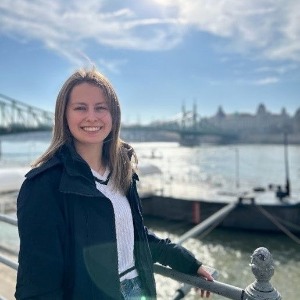
Zelda Hoff
University of Ghent, BelgiumSubmit your abstract Today


Title : Fighting antibiotic resistance: Eliminating implant infections in humans without antibiotics
Thomas J Webster, Brown University, United States
Title : Novel polymer-mediated therapeutic options for chronic obstructive pulmonary disease
Yong Xiao Wang, Albany Medical College, United States
Title : Turning problems into opportunities via small molecule design
Brian Blagg, University of Notre Dame, United States
Title : Durable surface-confined metal-terpyridine architectures for electrochromic applications
Olena Zenkina, Ontario Tech University, Canada
Title : Advances in plasma-based waste treatment
Hossam A Gabbar, Ontario Tech University, Canada
Title : Application of the Michaelis-Menten formalism to hydrocracking-related reactions and analysis of the features of the reactors
Orchidea Maria Lecian, Sapienza University of Rome, Italy